



 10:11 2026-09-30
The global elite are relocating en masse, reshaping the map of capital. Harsher taxes, geopolitical risk, and the loss of long‑standing privileges are driving multimillionaires out of traditional financial centers. London, long the world's wealth hub, is emptying fast and being replaced by unexpected destinations — a systemic shift that carries billions in lost tax revenue, investment, and infrastructure projects
 440
440 9
9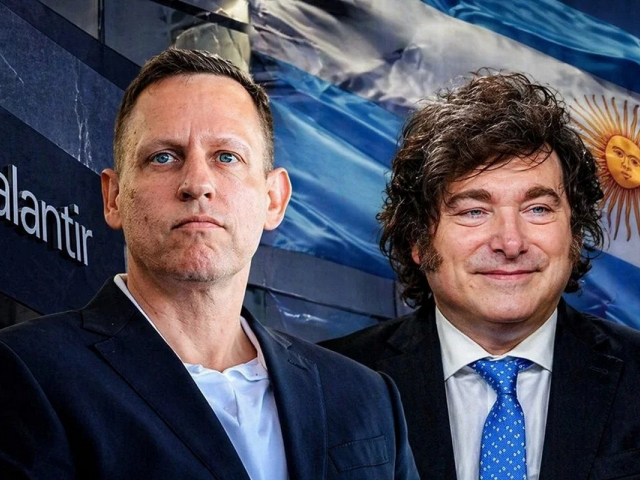



Exodus from London. Chris Rokos
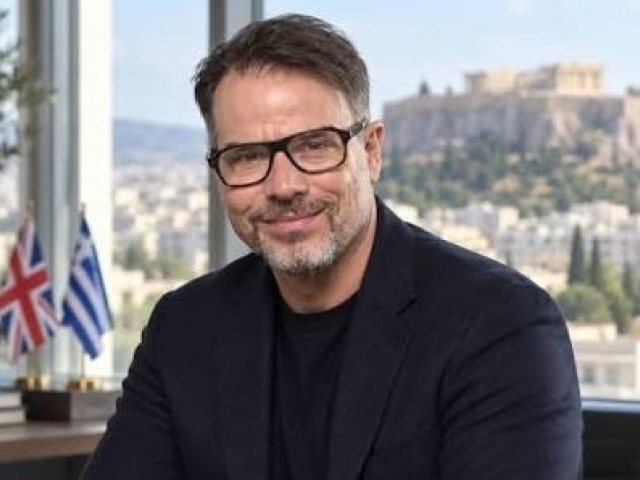
The UK is witnessing one of the largest capital outflows in modern history. A striking symbol of that flight is billionaire hedge‑fund founder Chris Rokos, once the country’s third‑largest taxpayer, contributing about $330 million a year. Faced with tougher tax policy and the abolition of non‑dom status, Rokos’s decision to leave Britain makes sense. His choice of Athens raises questions: Greece, by rolling out preferential tax regimes for high‑net‑worth residents, has unexpectedly become a magnet for the financial elite.
Argentine experiment. Peter Thiel
PayPal and Palantir co‑founder Peter Thiel has relocated to Argentina, attracted by radical reforms under Javier Milei and a sweeping drive to deregulate the economy. For Thiel, Argentina offers a real‑world test bed for libertarian market ideas. His move signals a broader trend: investors increasingly value jurisdictions that pair business‑friendly rules with active state support for capital and technology.
Edge of the world. New Zealand
Demand for relocation to New Zealand among wealthy individuals is surging. The island nation attracts billionaires with its political stability, clean environment, and remoteness from major geopolitical flashpoints. For many Silicon Valley magnates and investors, buying large estates in New Zealand has become a core element of personal risk management. The country has evolved into an exclusive refuge where capital buys physical security and a high quality of life.
Cape Town: elite property comes cheap
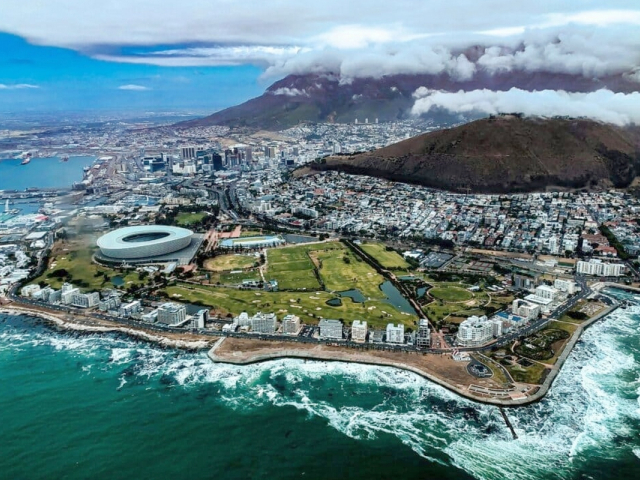
Cape Town is poised to outpace Tokyo in luxury‑home price growth, emerging as a major investment hub in the Southern Hemisphere. Investors are drawn by its mild climate, scenic landscapes, and relatively low prices for premium housing compared to Europe. Atlantic‑facing coastline is being developed with gated estates — a sign that the wealthy are seeking new high‑return, high‑quality living destinations beyond overheated Asian and traditional European megacities.
Dubai: tax‑free oasis
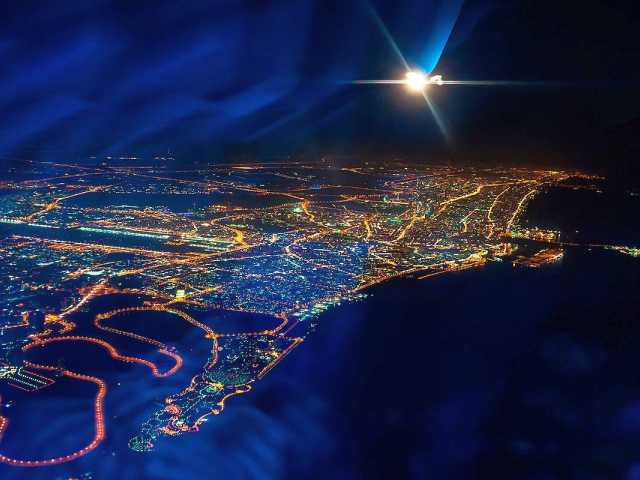
The UAE was the top magnet for wealthy migrants before the Iran war. Zero personal income tax, no capital‑gains levies, and expansive “golden‑visa” programs have made Dubai a 21st‑century financial haven. Family offices, tech founders, and traders from Europe and Asia have relocated headquarters and operations to the city, which has challenged New York and London for the title of the world’s wealth capital — a position now strained by geopolitics and regional conflict.
European alternatives: Milan and Switzerland
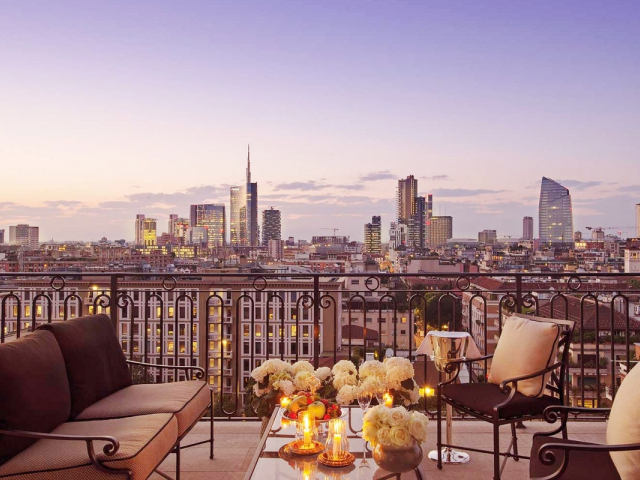
Despite the capital exodus from the UK, continental Europe is fighting to retain affluent residents. Italy attracts multimillionaires with a flat, fixed tax on foreign income, helping to position Milan as the financial capital of European high society. Switzerland remains a draw thanks to its long banking traditions and strong legal protections. High standards of culture and safety help the continent hold on to capital even amid tough regulatory strain.
Race for “golden passports”
The mass relocation of wealthy individuals has sparked fierce competition among states. The world has split into two camps: some countries are tightening rules and imposing wealth taxes, while others are rolling out “golden‑visa” programs, cutting rates and offering preferential terms to large investors. Greece, the UAE, Portugal, and Italy have turned the attraction of foreign capital into a central state strategy. The flight of mobile capital to the most hospitable jurisdictions is forcing traditional powers to rethink their fiscal models.
Total autonomy. Superbunker boom
Alongside tax migration, demand is surging for premium underground safe havens. Billionaires are building self‑contained survival enclaves — autonomous bunkers equipped with independent power, air‑filtration systems, and hydroponic food production. These facilities are proliferating in New Zealand, Hawaii, and remote areas of the United States. Investments in bunkers have become a form of insurance against pandemics, geopolitical shocks, and climate risk.
Borderless world?
This wave of wealth migration marks a new phase in the evolution of the global elite — a shift toward decentralized, extraterritorial living. Today’s billionaires no longer anchor themselves to a single country: they spread assets, property, and citizenship across jurisdictions. Multiple passports and autonomous residences let businesses and individuals minimize sovereign risk. This trend calls into question traditional notions of national sovereignty: increasingly, capital chooses states rather than the other way around, reshaping the global financial architecture.


-
Grand Choice
Contest by
InstaForexInstaForex always strives to help you
fulfill your biggest dreams.JOIN CONTEST -
Chancy DepositDeposit your account with $3,000 and get $1000 more!
In October we raffle $1000 within the Chancy Deposit campaign!
Get a chance to win by depositing $3,000 to a trading account. Having fulfilled this condition, you become a campaign participant.JOIN CONTEST -
Trade Wise, Win DeviceTop up your account with at least $500, sign up for the contest, and get a chance to win mobile devices.JOIN CONTEST


