


 07:33 2026-11-06
In an era when smart speakers spy on household conversations, satellites scan backyards, and algorithms identify people by their gait, elite status is no longer defined by cutting‑edge gadgets. If mass consumers are sold the total digitization of life through the Internet of Things (IoT) and neural networks, the super‑rich have realized that any device connected to a network is a potential surveillance point and vulnerability. Radical privacy has become a new marker of ultra‑wealth. What technologies and solutions make this possible?
 441
 9

Faraday cages
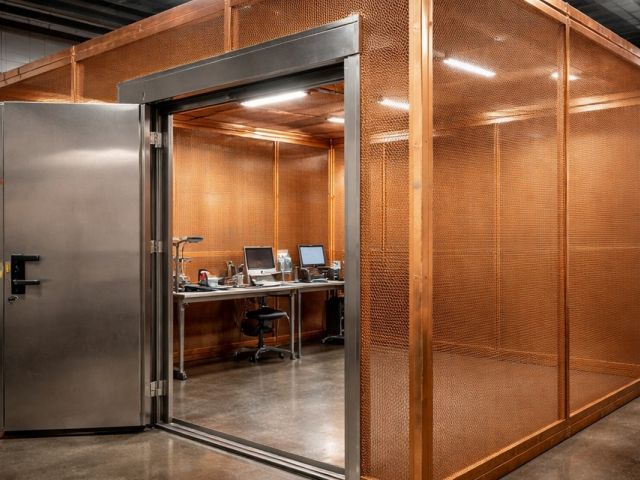
In prestigious apartments in Manhattan and London, rooms shielded to military SCIF standards have become a security norm. Under layers of exotic wood and marble, builders install a continuous mesh of copper and foil, creating a physical Faraday cage. Inside such spaces, Wi‑Fi, Bluetooth, and radio signals are completely suppressed. These isolated zones are used not only to protect confidential conversations from remote interception but also as bedrooms where sleep is shielded from the electromagnetic smog of the metropolis.
Wooden doors and…
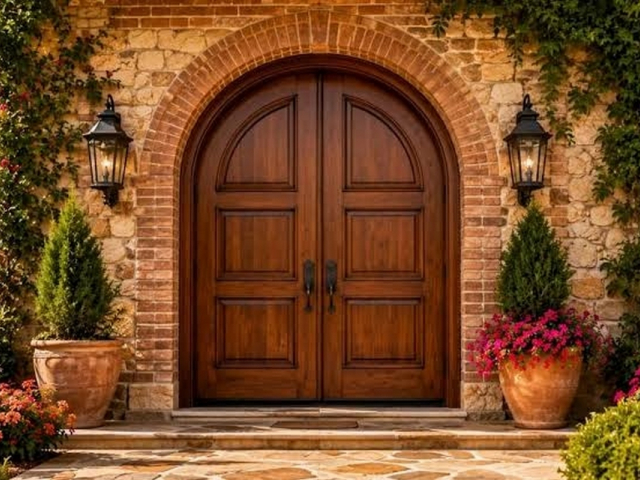
Complex “smart home” systems have exposed a main weakness: a centralized server can be hacked, and if the provider is disconnected, the house becomes a trap. In the newest ultra‑premium architecture projects, there is a renaissance of passive engineering solutions: thick travertine and limestone walls for thermal regulation, gravity‑driven air channels, mechanical levers for shutters, and heavy solid‑wood doors. The home becomes once again a self‑sufficient physical refuge operating by classical mechanics rather than lines of code.
Mechanical locks instead of biometrics
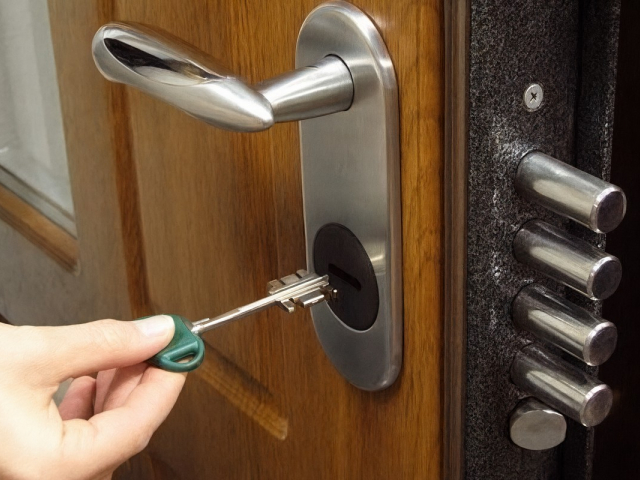
Electronic keypads, fingerprint scanners, and Face ID locks are being removed en masse from the residences of the super‑wealthy. Any digital lock contains microcode, vulnerable to remote hacking, firmware failures or power loss. Instead, wealthy owners commission heavy mechanical locking systems from brands such as Chubb, Sargent & Greenleaf, or Fichet‑Bauche. Multi‑lever mechanisms, high‑precision code wheels, and keys with complex edge geometry provide an unsurpassed level of physical resistance to break‑ins that is not threatened by cyberattacks.
Analog machines
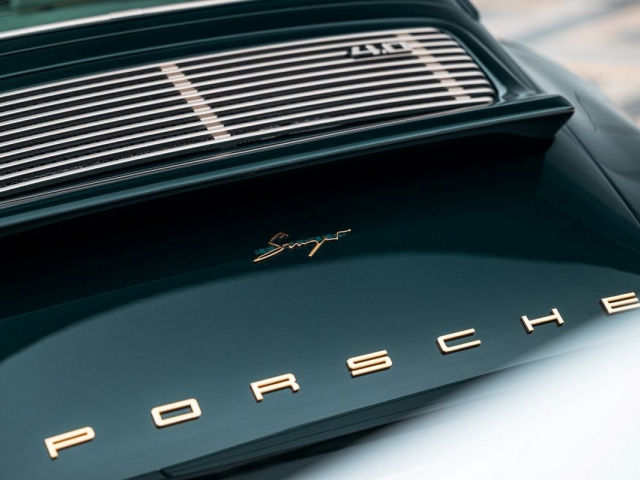
Modern premium cars come with embedded SIM cards, GPS trackers and telemetry sensors that send routes and in‑cabin audio to automakers’ servers. To avoid a digital trail, billionaires switch to custom restomods: vintage Porsches, rebuilt classic Land Rover Defenders, or 1970s Aston Martins. These cars receive modern carbon bodies and finely tuned engines but are stripped entirely of touch displays, communication modems, controllers, and remote engine‑kill units.
Acoustic jammers
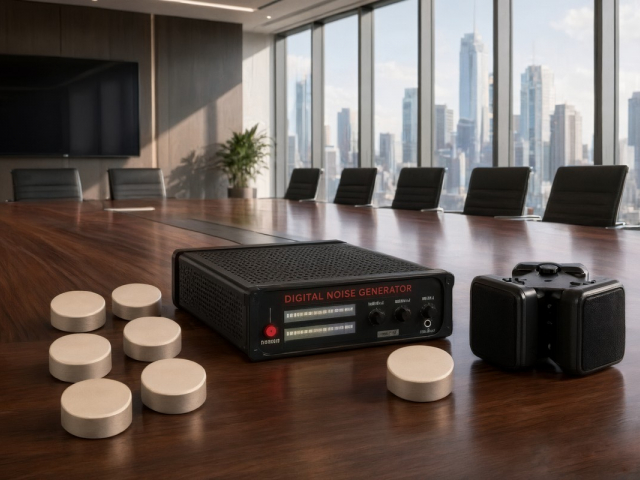
Intelligence services and corporate spies have long been able to recover conversation sound from micro‑vibrations of window glass using laser beams aimed from hundreds of meters. To counter this, premium residences install specialized multilayer acoustic glazing equipped with piezoelectric noise actuators. An inaudible micro‑vibration (“white” or “pink” noise) is applied to the glass to confuse the laser beam. Interiors also incorporate waterfalls and fountains to mask live speech.
Anti‑drone geo‑domes
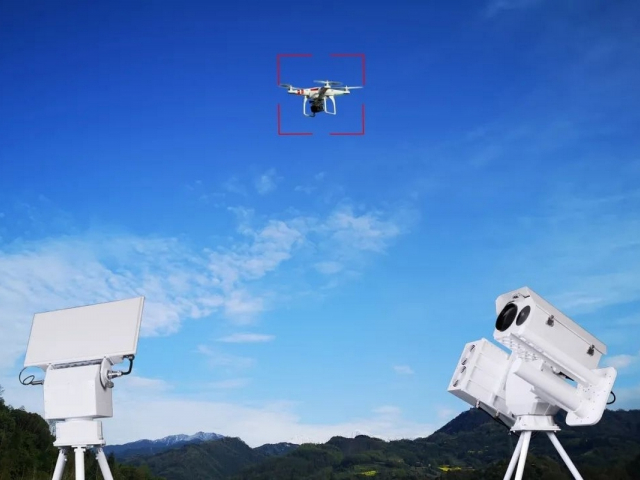
Private properties are increasingly targeted by consumer and spy quadcopters. Security perimeters of elite villas are fitted with radio‑frequency sensors and thermal radars that instantly detect a drone’s flight within a radius of up to two kilometers. The system automatically jams control channels and GPS/GLONASS navigation signals, forcing the UAV to land. In areas where frequency jamming is legally restricted, security teams use automatic pneumatic launchers that fire rapidly opening Kevlar nets to physically intercept drones in flight.
Air‑gapped meeting rooms
For discussing strategic deals and personal assets, mansions contain so‑called air‑gapped offices. These rooms have no internet or building network connection. Guests are required to leave smartphones and smartwatches in special metal boxes at the entrance. Notes are taken only on paper notebooks, and after the meeting, handwritten drafts are run through high‑security office shredders (DIN 66399 P‑7), turning paper into irrecoverable microscopic dust.
Anti‑laser shields
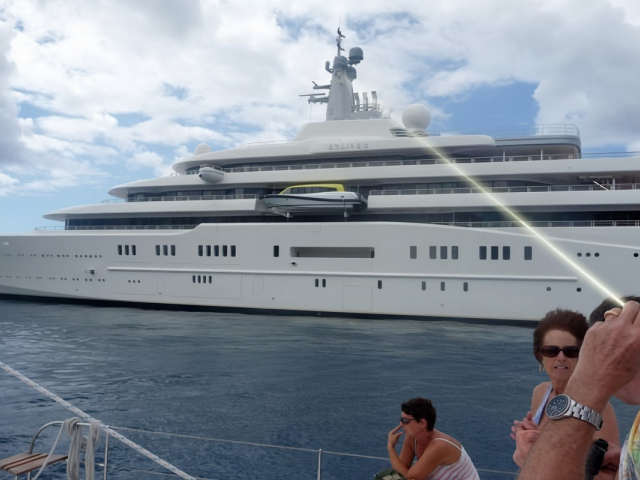
On the world’s largest private yachts (the technology first gained fame on the 162‑meter yacht Eclipse), optoelectronic protection systems against paparazzi are installed. Special infrared sensors continuously scan the water and shore, detecting reflections from the silicon arrays (CCD/CMOS) of professional cameras and video recorders. Once the sensor registers optics, the system instantly emits a narrowly directed light beam straight into the lens, irreversibly overexposing the frame and making photography physically impossible.
Secret autonomous complex
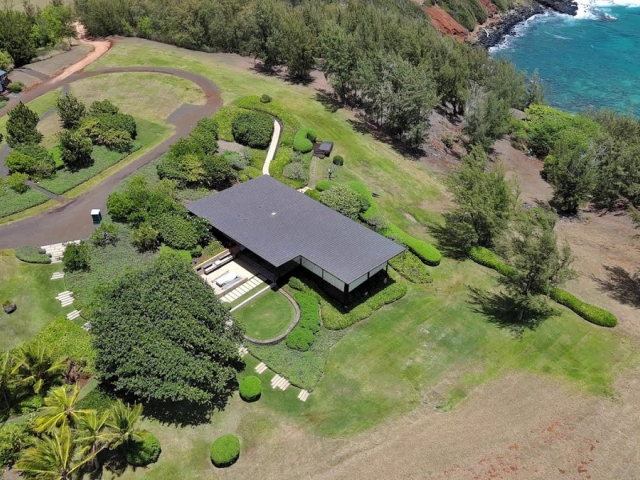
A tech founder is building a giant estate, Koolau Ranch, on Kauai (Hawaii) valued at more than $270 million, surrounded by a solid two‑meter fence and nondisclosure agreements (NDAs) for all workers. The core of the complex is an underground bunker of 460 sq. m with armored concrete and steel doors, an emergency hatch and an autonomous power source. The estate is designed as a fully self‑sufficient ecosystem with its own water treatment facilities, farmland, and animal husbandry, ready for complete disconnection from the outside world.


-
Grand Choice
Contest by
InstaForexInstaForex always strives to help you
fulfill your biggest dreams.JOIN CONTEST -
Chancy DepositDeposit your account with $3,000 and get $5000 more!
In November we raffle $5000 within the Chancy Deposit campaign!
Get a chance to win by depositing $3,000 to a trading account. Having fulfilled this condition, you become a campaign participant.JOIN CONTEST -
Trade Wise, Win DeviceTop up your account with at least $500, sign up for the contest, and get a chance to win mobile devices.JOIN CONTEST


